Young Adults

Let’s face it, building community in the Twin Cities can be a little daunting. Bethlehem’s Young Adult Ministry is a welcoming group of 20–30-somethings seeking authentic friendships, rewarding work, and nurturing communities. We support each other’s growth at weekly happy hour, retreats, and justice education events. We engage in conversations about vocation, race, justice, love, sexuality, God, housing, care of creation, and much more. We live into our roles as community leaders, balancing action, rest and fun.


Growing the Community Garden
Year-round, any time!
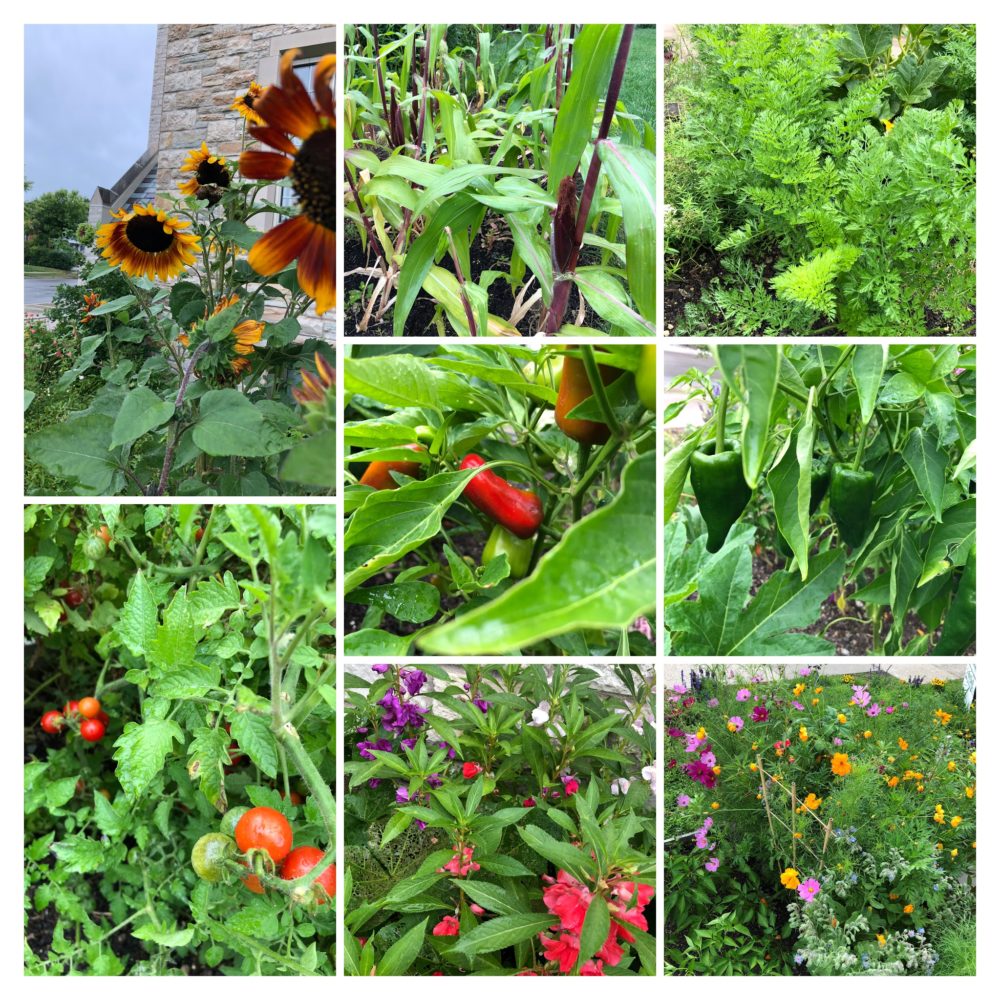
The Community Garden at the Minneapolis Campus needs YOU to join the team in watering, weeding, and ushering in the bounty the garden is growing. No previous gardening experience necessary! Register to be a 2021 Garden Volunteer here!
Get Involved
Wednesday Night Hang Outs
Every week, we gather together for drinks, appetizers, games, conversation and connection. Please contact Emily Stoll, to be added to the group email to find out about the location each week ([email protected]).
Volunteering with Youth
Wednesday evenings, Sunday mornings, and Special Events!
Be a mentor our youth can look up to. Help youth feel seen and cared for on Wednesday nights or for weekend and summer events!