Faith and Neighboring Practices
Developing a genuine curiosity about both campuses and the local community in which we’re called to serve.
FNP FAQs One-to-One Conversations Mapping Our Neighborhoods Updates“The Word became flesh and blood, and moved into the neighborhood.” —John 1:14
What is Faith and Neighboring Practices?
Faith & Neighboring Practices (FNP) is an initiative hosted by the Minneapolis Area Synod that gathers and equips congregations to neighbor well. Thriving congregations are deeply invested in the common good of their local neighborhoods, willing to invest time, money, and relationships in the community where God has called them to be the church.
FAQs
Bethlehem is participating in the 2025–2027 cohort with a core team made of members from both campuses: Chris Hughes, Carol Pfleiderer, Mike Conroy, Kali Sundquist, Jennifer Miller, Mattie Anheluk, and Kurt Kreienbrink. Pastor Meta is the staff liaison.
The team meets regularly with synod staff and teams from the other participating congregations to develop faith and neighboring practices that connect us to God and our neighbor, shifting our attention from problems and scarcity, to possibilities and abundance. These learnings are then integrated into the charism and ministry of the wider congregation.
Spirit Garage participated in the previous cohort, so they are already putting these practices to good use as a faith community rooted in the Kingfield neighborhood of Minneapolis. We are following their lead!
It can be challenging to speak theologically about what is happening in our neighborhoods, and our learning community experiments with faith practices that invite congregations to listen for the presence and activity of God. We think it is the church’s job to discover what God is already up to, finding ways to participate in the common good, and discovering ways to tell the story. We experiment with practices like group spiritual direction, the Ignatian Examen, walking meditation and prayer walks, and testimony.
As churches, there is a tendency to see the neighborhood through a problem-based lens, looking for needs to serve and people to help. But our learning community invites congregations to pay attention to the gifts, strengths, and assets in a community that have the capacity to contribute to the common good. Instead of playing the savior, churches are called to be curious neighbors, always on the lookout for possibilities and seeing their neighbors as whole people full of gifts and strengths.
We experiment with practices like asset-mapping and neighborhood-mapping, neighborhood walks, one-to-ones, intercultural communication, and economic neighboring.
We believe that churches have the gifts and the capacity to be mutual and collaborative neighbors, contributing to the common good, supporting resilient neighborhoods, and participating in the work of justice. What might God be up to in your neighborhood?
One-to-One Conversations
Members of the FNP Core Team are tasked with completing at least one one-to-one conversation with a community member each month. This recurring task is building a new and stronger habit of curiosity and attention for other stakeholders in the community: small business owners, neighbors, public servants, leaders, and so on, right around the Minnetonka and Minneapolis campuses.
How Does a One-to-One Conversation Work?
- It’s simple, but that doesn’t mean it’s easy. Asking someone you don’t already know well to meet for coffee or spend some time together sharing about themselves can be awkward. They might even say no! Figuring out who to ask and getting it scheduled can be the hardest part.
- Introduce yourself and give them a little bit of context about why you’re asking for 45 minutes of their time. Consider questions you might ask to get the conversation started and what you’re hoping to learn, but leave room for the conversation to take you where it wants to go.
- Let the other person do about 80% of the talking. Ask questions that draw them out and spend time on topics that energize them. Listen well and watch the clock so you can honor their time.
- Close with a next step. Is there someone else they think you should talk to? Do they have some information or a connection for you? Thank them for what they shared.

One-to-one conversations aren’t limited to members of the Core Team. Anyone can use this basic tool to get to know a community member or make a new relationship in the neighborhood. People enjoy talking about themselves and sharing what they are passionate about. If you were going to set up a one-to-one conversation with someone local to one of Bethlehem’s campuses, who would it be and why? What would you hope to learn from them?
What’s stopping you? Give it a try!
Mapping Our Neighborhoods
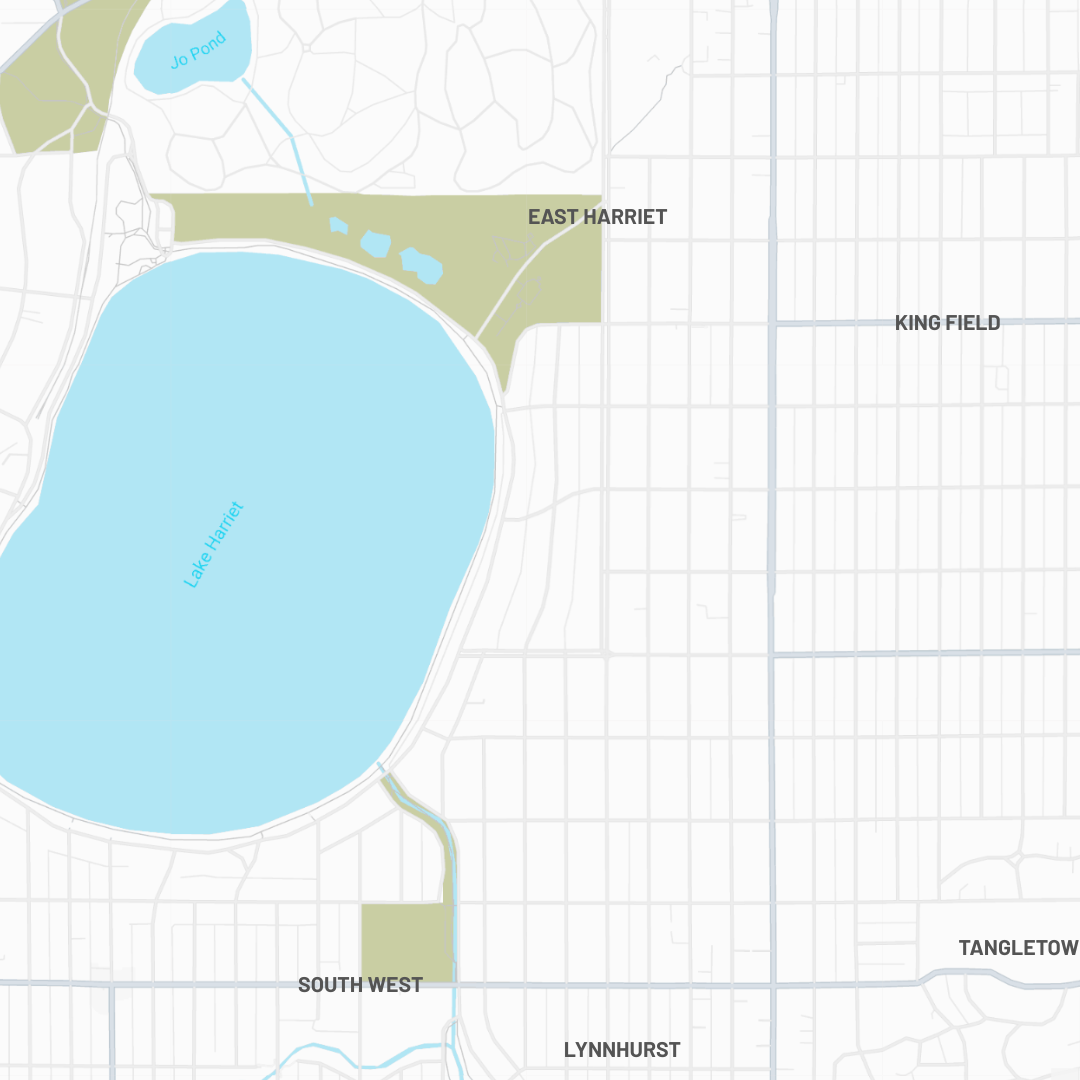
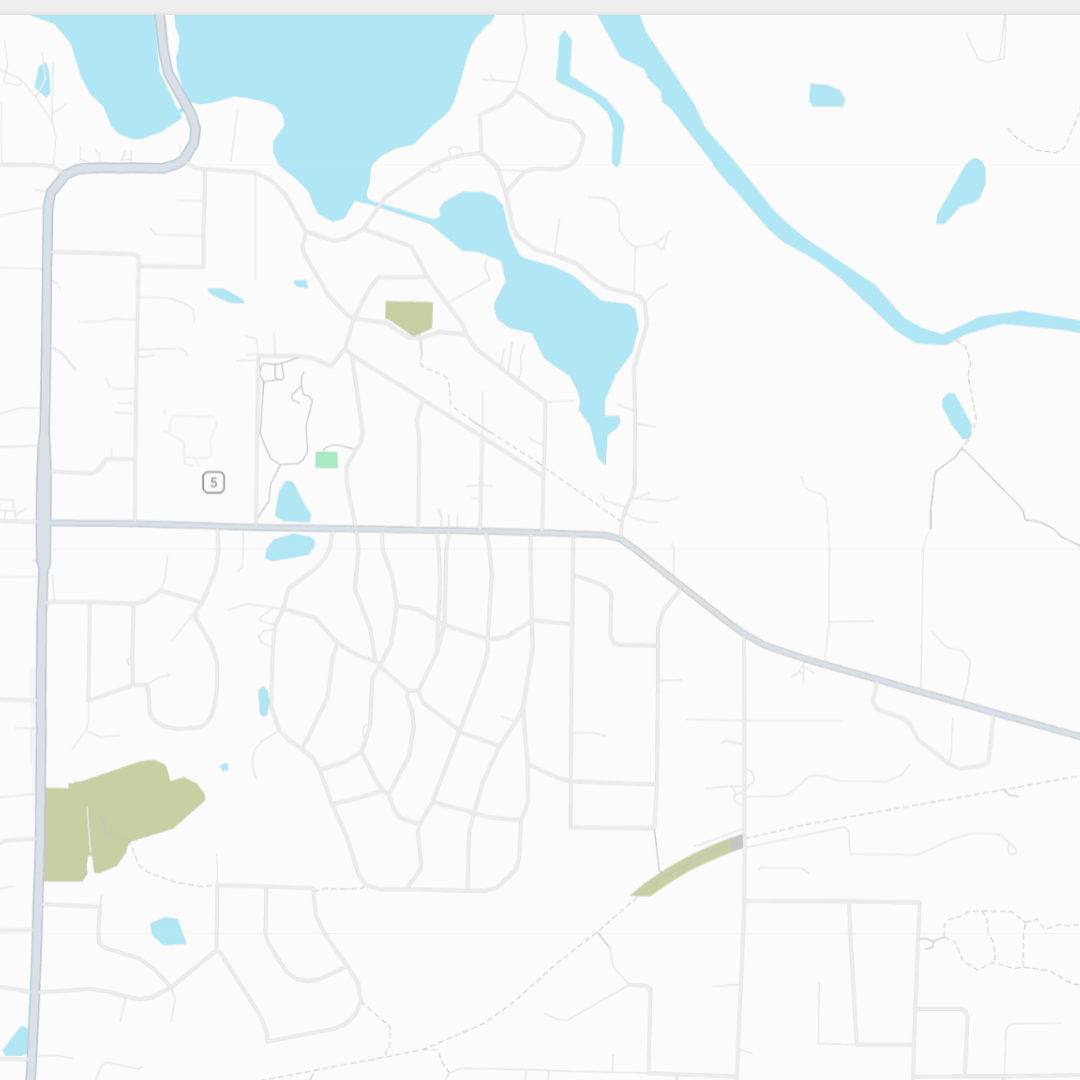
A few months (and a few one-to-ones) into this project, each congregational team was asked to map their neighborhood. Bethlehem is unique in that we have two neighborhoods, one in Minnetonka and one in Minneapolis.
We got to work on two big pieces of paper drawing rivers and parks, roads and landmarks, trying to decide on the boundaries of a neighborhood. How big or small should we focus, at least as a starting point?
The challenge came when we were instructed to stop drawing whats. Sure, we can name restaurants and stores, schools and government buildings. But these maps would be for plotting relationships. Who do we already know in our neighborhood and “who” should we make an effort to meet?
We located church members who live within blocks of both campuses, the names of educators at the nearby schools, our elected officials, local business owners, and more. Soon, our map was covered with poorly drawn stick figures and a lot of potential relationships that wouldn’t have occurred to us if we stayed focused on the whats.
How many neighbors do you know by name on your block? Who could you introduce yourself to this month?
Updates
October 2025 ‘Together’ Newsletter: Faith and Neighboring Practices
Four strategic goals have emerged from Bethlehem’s newly articulated Vision, Mission and Values:
- We set a welcome table.
- We walk each other home.
- We belong to each other.
- We are growing spiritual leaders.
We are more likely to live into our goals when we have a progress plan in place, some concrete action steps that help us turn aspirations into actuals and a pattern of behavior that we don’t just believe about ourselves, but our wider community knows to be true about us, too.
These strategic goals come alive in some very tangible ways over the course of the next three years, as described by the proficiencies and practices we are centering in our ministry at Bethlehem. The first year might be the most challenging of all because it asks us to unlearn and relearn some patterns and skills as a system. It will require deep and active listening to one another and to our wider community.
Before we hear that as a sluggish or passive use of time or presume to know how to develop these patterns and skills all on our own, there’s good news!
Bethlehem applied and has been accepted to the Faith and Neighboring Practices (FNP) initiative through the Minneapolis Area Synod. For two years, we’ll listen and learn with a cohort of other congregations in the synod, experimenting with small and simple practices that build connections, disrupt scarcity and develop curiosity for this moment in our ministry.
Bethlehem’s FNP Team is composed of three people from each campus and a staff liaison. Over the course of two years, they will participate in four retreats and monthly digital meetings with the initiative while communicating their findings to the broader congregation and helping all of us notice ways we can infuse our ministry with experiments that build connections between our faith, our worship locations, and our respective neighborhoods.
Like so many of the groups and teams representative of both Minneapolis and Minnetonka, the FNP Team has the opportunity to help all of us develop a genuine curiosity about both campuses and the local community in which we’re called to serve.
What about Spirit Garage? Great question. Spirit Garage participated in the previous Faith and Neighboring Practices cohort. Their positive experience is one of the reasons Bethlehem applied and our experience will be one more way we’re following their lead and remain rooted in shared values.
What’s next?
The Faith and Neighboring Practices Team will provide regular updates to the congregation throughout the process and you will be invited to participate in all kinds of ministry experiments along the way. If you’d like to join the FNP Prayer Team, please contact Pastor Meta ([email protected]). This group does not meet in an official capacity but receives prayer requests related to the process that lift up the congregation, the practices, and our local communities.